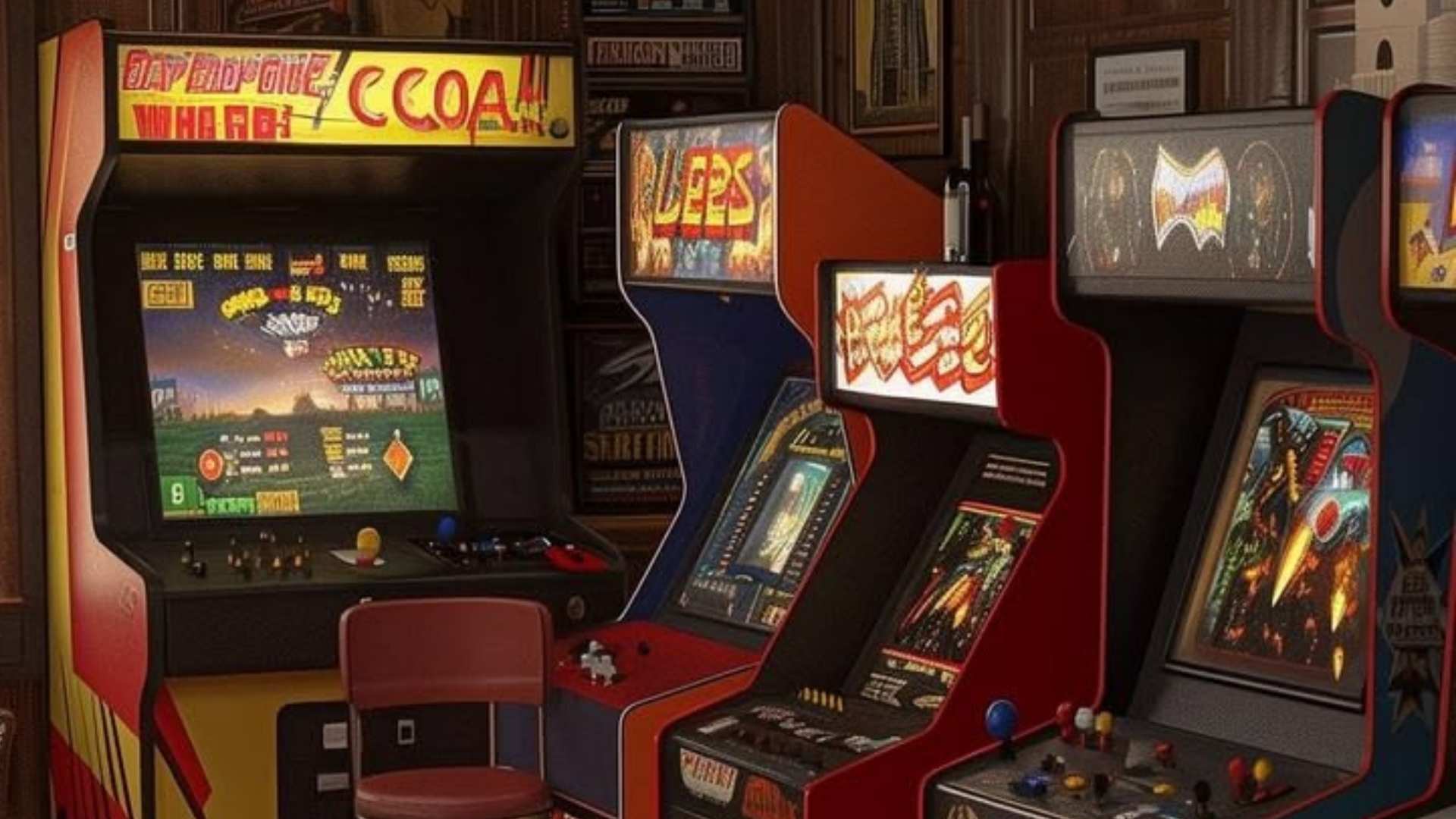
The landscape of digital entertainment has undergone a massive transformation, with unpredictable prize structures establishing themselves as a core design principle. Modern platforms continuously shift away from completely fixed progression milestones toward dynamic systems where elements of chance keep players actively engaged. Exploring the factors behind this continuous evolution reveals how player psychology, technical optimization, and competitive community dynamics shape the games of today.
The Dynamic Appeal of Unpredictability
Human psychology is naturally drawn to situations that offer varying outcomes rather than static patterns. When an interactive environment delivers bonuses or milestones at completely random intervals, it sustains curiosity far more effectively than a predictable system. This fundamental desire for discovery encourages participants to remain active within an ecosystem over longer periods.
Furthermore, these sudden rewards transform routine gameplay sessions into highly memorable milestones. Many contemporary digital environments utilize sophisticated algorithms to deliver personalized gaming experiences that adapt to individual engagement habits. This personalized touch ensures that the overall journey stays fresh, exciting, and highly relevant to a diverse audience of users.
Technological Shifts in Modern Engagement Formats
Advancements in real-time data monitoring have allowed developers to fine-tune how and when randomized events take place. Instead of relying on rigid, pre-programmed schedules, modern platforms leverage cloud technology to update prize structures dynamically based on active player volumes. This technical flexibility ensures that distribution remains stable, seamless, and optimized for different device capabilities.
As these specialized ecosystems become more accessible, users can easily discover new gateways to join the action. For instance, accessing a modern platform via an m88 login alternatif link allows enthusiasts to participate in these highly sophisticated draw systems directly from their smartphones. This instant availability has effectively turned localized gaming activities into a global, continuous community event.
Balancing Fairness with Strategic Choice
A major reason why variable outcome games continue to mature is the emphasis on structural transparency and player balance. In older setups, top-tier items were exclusive to individuals with immense time investments, which often discouraged casual users. Modern design incorporates luck-based mechanics to democratize opportunities, ensuring that newcomers always have a realistic path to success.
To maintain long-term trust, platforms combine these chance elements with skill-oriented challenges that give participants a sense of personal agency. Balancing random drops with strategic choice satisfies both competitive players and casual explorers looking for entertainment. This careful synthesis of luck and skill represents the definitive path forward for digital engagement structures.