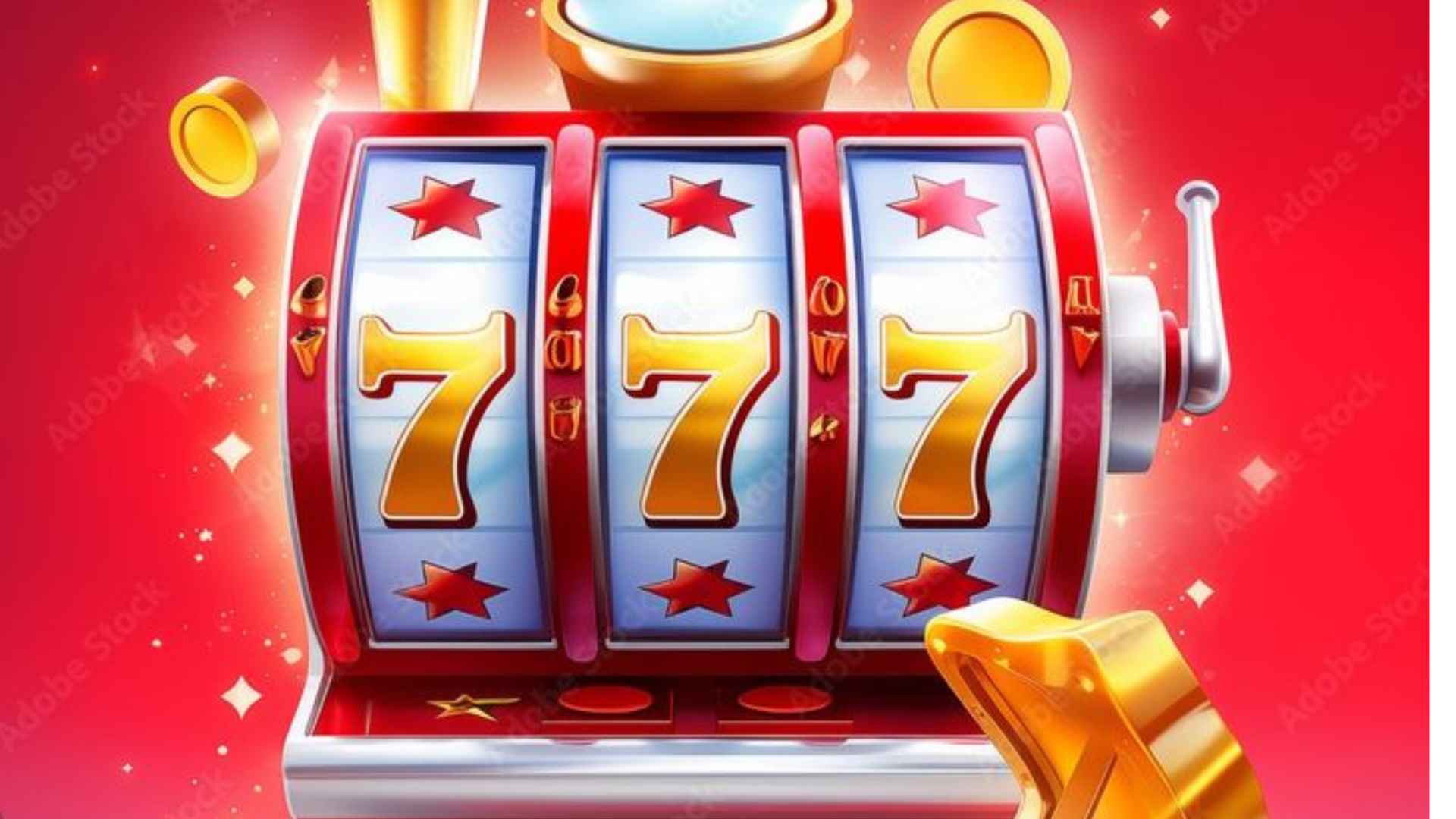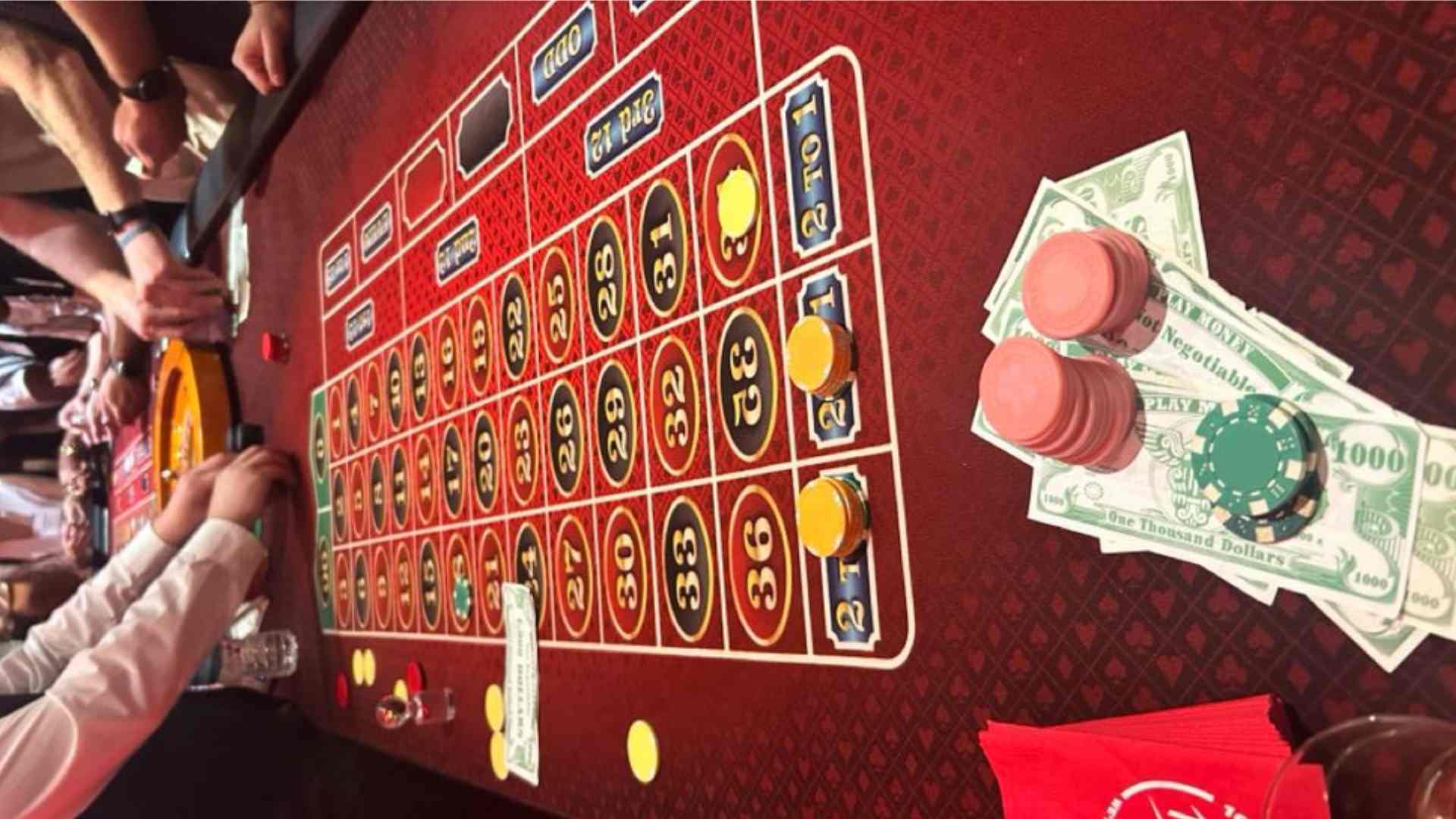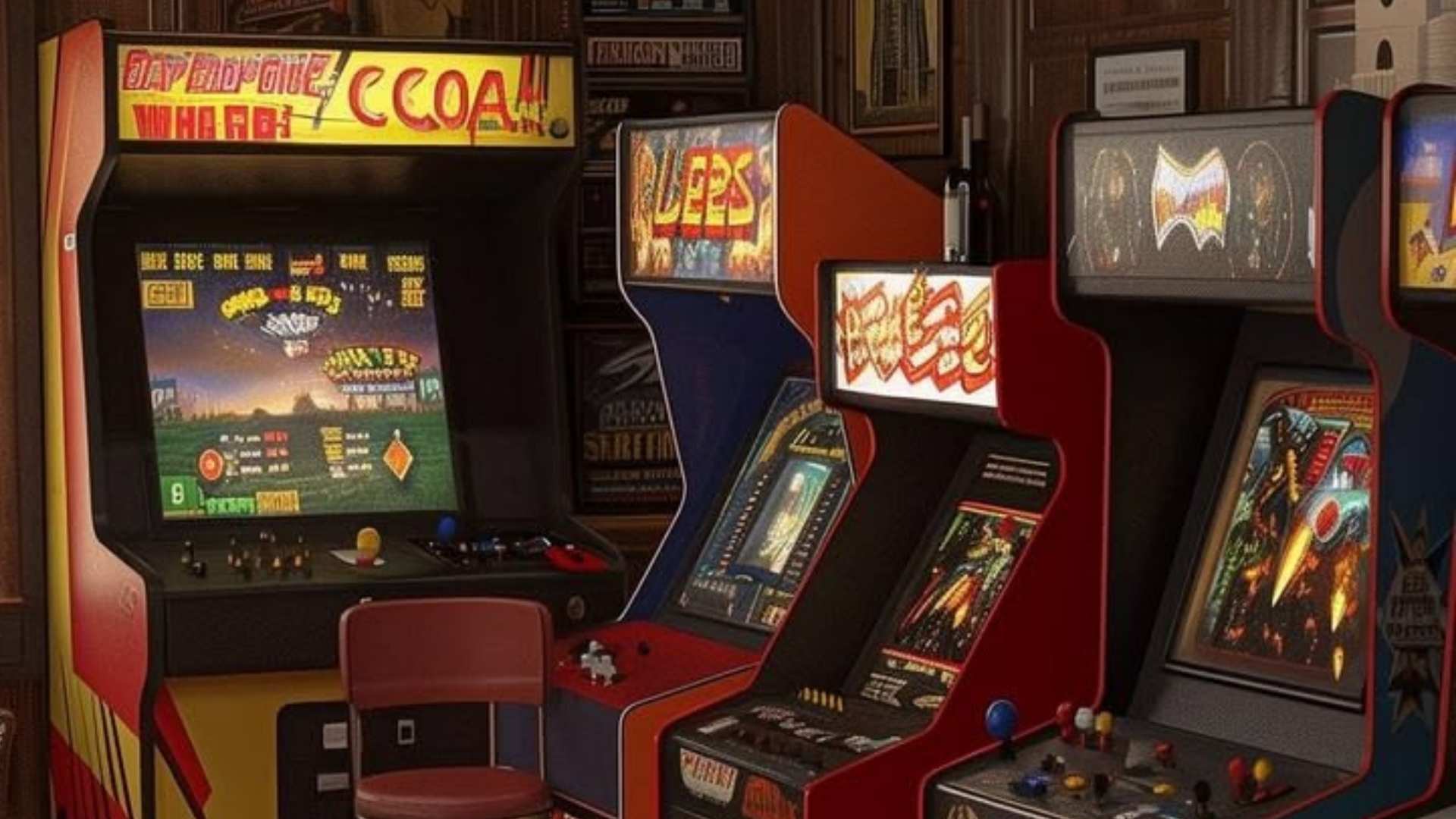
The enduring popularity of casual entertainment often relies on specific design choices that keep the overall experience refreshing and accessible. Random prize games have mastered this balance by offering quick engagement cycles that require no extensive training or long-term commitment. This structural simplicity ensures that anyone can instantly participate and find a brief moment of distraction during a busy schedule.
The Psychological Draw of Variable Reinforcement
Human curiosity thrives on unpredictable outcomes, which creates a natural desire to see what happens next. When rewards are distributed randomly rather than on a predictable schedule, the anticipation itself becomes highly stimulating for the mind. This steady level of engagement explains why a participant feels compelled to try just one more round.
Furthermore, the visual feedback provided during these games enhances the feeling of a near-miss scenario. Seeing how close a major reward was can motivate players to restart immediately without feeling entirely discouraged. This accessible loop turns a casual session into a memorable and repeatable experience.
Minimal Learning Curves and Immediate Access
Unlike complex strategy titles that require hours of tutorial navigation, prize games focus on immediate interaction. Users can understand the core mechanics within a single glance, eliminating the friction often associated with modern software interfaces. This frictionless onboarding makes it incredibly simple to return during short breaks or commuting periods.
Leading entertainment networks maximize this appeal by embedding simplified selection loops directly into their platforms. For example, modern digital arenas like m88 奖金 utilize clean layouts to ensure their promotional rewards stay readable and interactive for global users. Removing complex entry rules allows casual audiences to focus entirely on the fun of random selection.
Dynamic Themes and Structural Variety
A major factor preventing these simple frameworks from feeling repetitive is the constant evolution of sensory themes. Software developers frequently update the visual backgrounds, audio effects, and narrative motifs to give old mechanics a completely fresh identity. A classic format can feel entirely different simply by moving from a fantasy setup to a sleek retro design.
Additionally, modern developers mix different tiers of rewards to maintain long-term consumer curiosity over multiple days. Incorporating points, digital collectibles, and mystery modifiers ensures that even small wins feel impactful to the player. By prioritizing continuous variety, creators guarantee that returning to the platform always yields a unique aesthetic presentation.
The Long Term Retention of Balanced Design
Ultimately, the long-term viability of spin-based systems depends on how fairly the rewards appear to be distributed. When an interface remains transparent and provides consistent value, players develop a sense of trust toward the application. This foundational reliability is what transforms a temporary distraction into a routine option for personal leisure.
As interactive media shifts toward greater cross-platform capability, these straightforward systems will continue to serve as vital entry points. Their basic simplicity provides a perfect counterweight to information-heavy applications while delivering immediate audio-visual satisfaction. By respecting the player's time and desire for casual fun, random prize mechanics retain their secure position in digital entertainment.